Skip to content

A biomass pellet production line is an efficient solution for turning agricultural residues, wood waste, and forestry by-products into high-density biomass pellets. For entrepreneurs planning to start a biomass pellet factory, understanding the essential equipment and the industry’s global potential is crucial for long-term success.
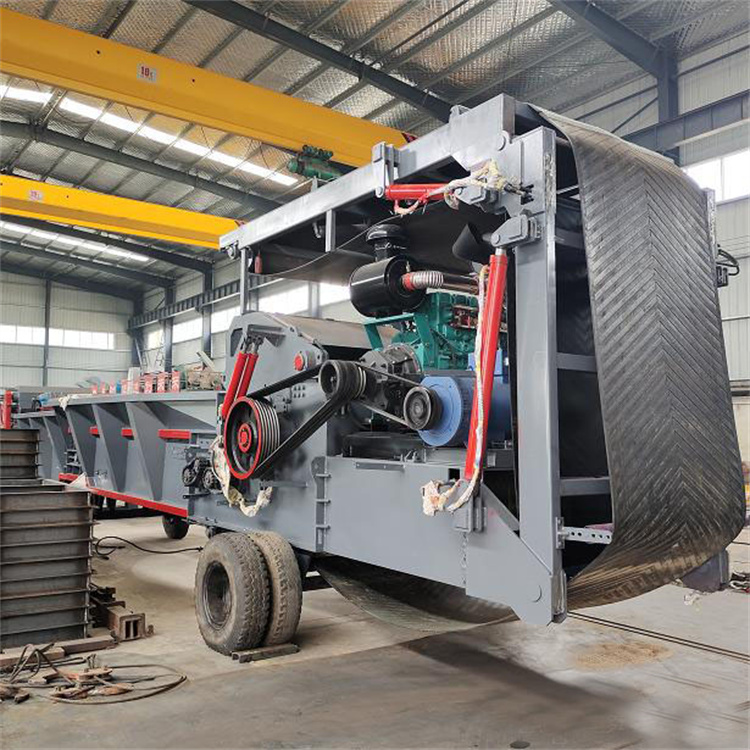
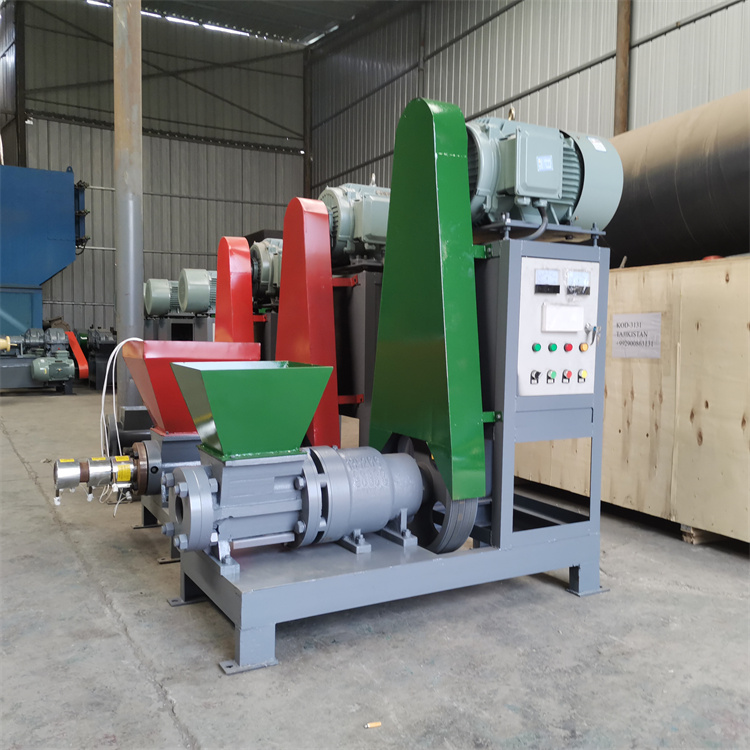
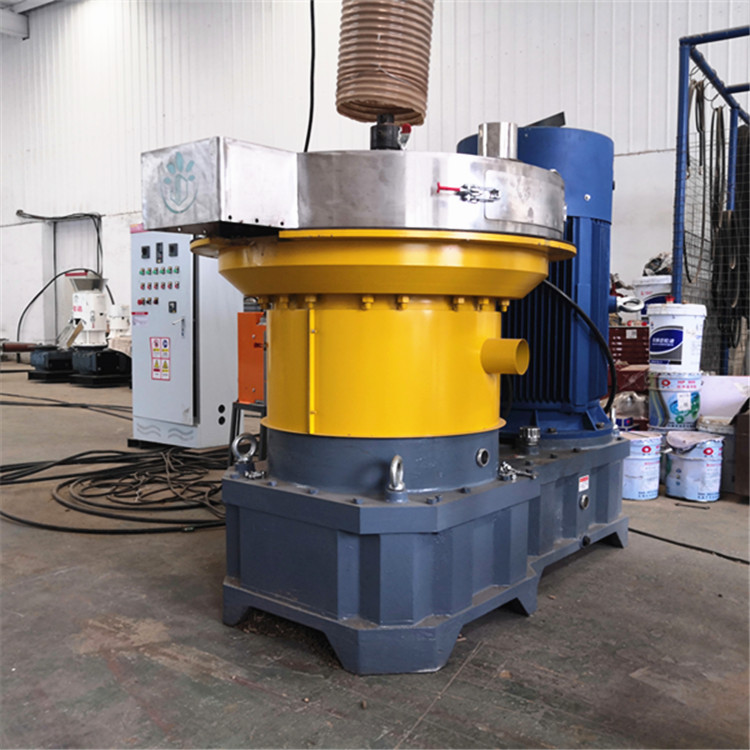
A complete biomass pellet production line typically includes several core machines. The process begins with a wood crusher or chipper to reduce raw material size. Next, a hammer mill further refines the material into fine powder suitable for pelletizing. A dryer—such as a rotary drum dryer—is essential for lowering moisture content to the ideal 10–15%. The heart of the line is the biomass pellet mill, which compresses prepared material into uniform pellets. Additional systems include a cooler to stabilize pellet temperature, a vibrating screener to remove fines, and packing machines for bagging finished pellets.
The overseas market for biomass pellets continues to expand, driven by rising global energy demand and increasing restrictions on fossil fuel consumption. Europe remains the largest importer, particularly countries like the UK, Denmark, Italy, and the Netherlands, where biomass is heavily used for district heating and power plants. Similarly, South Korea and Japan have rapidly growing pellet demand due to government incentives for renewable energy. With many regions shifting toward carbon neutrality, high-quality wood pellets offer exporters a profitable and scalable business opportunity.
For investors, a biomass pellet production line offers strong market prospects, moderate operating costs, and the advantage of converting low-value waste into a high-value renewable fuel. By selecting reliable equipment and targeting strong overseas markets, new factories can achieve long-term and sustainable growth.