Skip to content

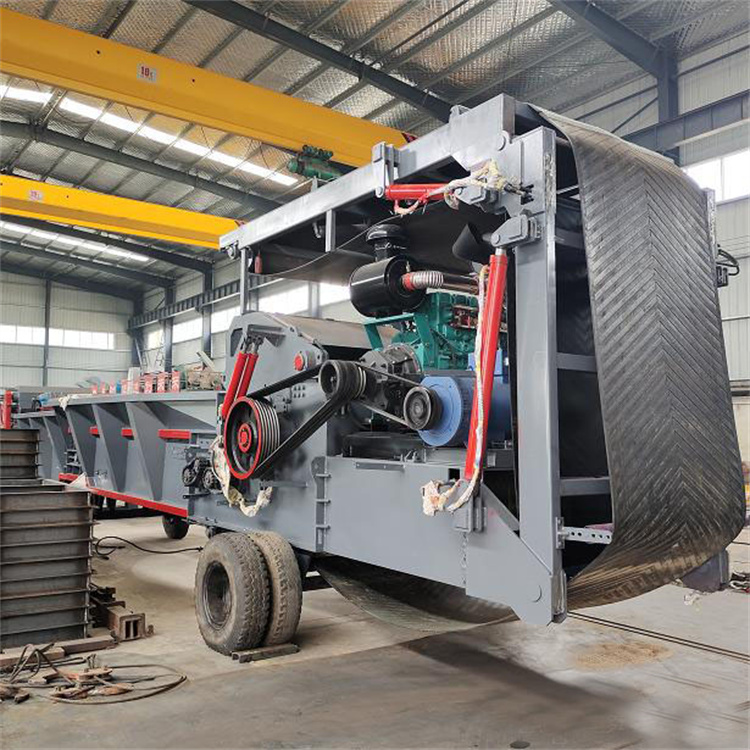
A biomass wood chipper plays a crucial role in turning raw wood materials into uniform chips suitable for biomass energy, pellet production, and industrial fuel applications. But how exactly does this machine improve biomass processing efficiency, and why is it essential for modern renewable energy projects?
A biomass wood chipper is designed to process logs, branches, forestry residues, and wood waste into consistent wood chips. These chips are easier to transport, store, and further process into biomass fuel such as wood pellets, briquettes, or direct combustion materials. Compared with manual or low-capacity shredding methods, a professional biomass wood chipper significantly increases output while reducing labor costs.
One of the key advantages of using a biomass wood chipper machine is its adaptability. Whether powered by electric motors or diesel engines, it can operate in biomass plants, forestry sites, or remote areas. Industrial models are engineered for continuous operation, making them ideal for large-scale biomass fuel production lines. The uniform chip size produced by a high-efficiency wood chipper also improves downstream processes such as drying, pelletizing, and gasification.
From an environmental perspective, biomass wood chippers support sustainable waste management. By converting agricultural residues and wood waste into valuable biomass fuel, businesses can reduce landfill disposal and carbon emissions. This makes the biomass wood chipper an essential tool for companies focused on renewable energy and circular economy solutions.
When selecting the right biomass wood chipper, buyers should consider capacity, chip size adjustability, power type, and maintenance requirements. A well-chosen industrial wood chipper not only boosts productivity but also ensures long-term operational stability and lower operating costs.
In summary, a biomass wood chipper is more than just a size-reduction machine—it is a core component in efficient, eco-friendly biomass processing systems that support the growing global demand for renewable energy.