Skip to content

When customers search for a diesel biomass crusher, they are usually looking for a powerful, mobile solution to process wood waste, agricultural residues, or forestry biomass in areas without stable electricity. This article addresses those needs by explaining how diesel-powered biomass crushers deliver efficiency, durability, and flexibility for real-world applications.
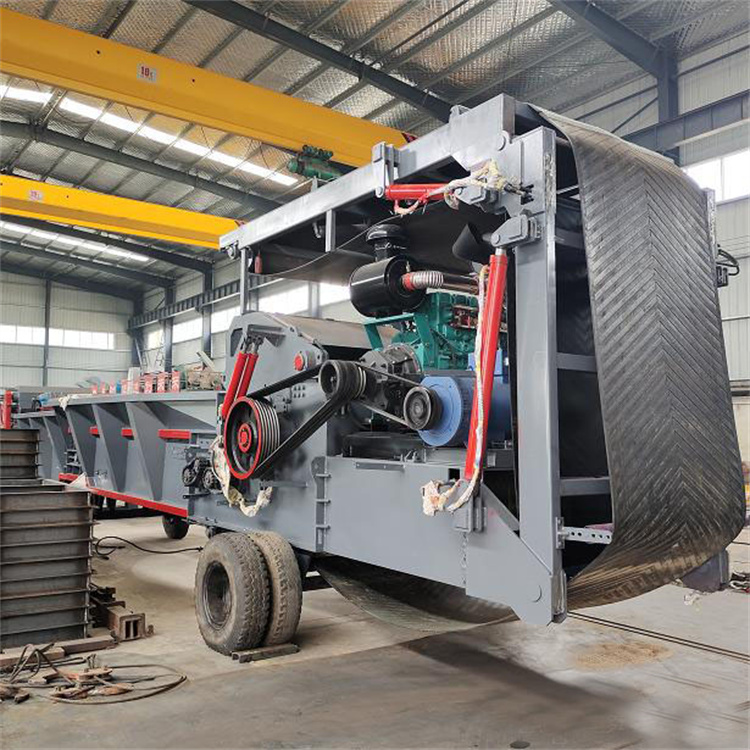
A diesel biomass crusher is designed to crush materials such as wood logs, branches, bamboo, crop stalks, and pallet waste into chips or smaller particles. Compared with electric models, diesel-driven crushers are ideal for remote job sites, farms, and forestry operations where grid power is unavailable or unreliable. The built-in diesel engine ensures stable output, high torque, and continuous operation even under heavy loads.
From a buyer’s perspective, key search concerns include capacity, fuel efficiency, and maintenance cost. Modern diesel biomass crushers feature reinforced blades or hammers, optimized feeding systems, and adjustable discharge sizes, allowing users to produce biomass fuel for briquettes, pellets, or boiler combustion. These machines are widely used in biomass power plants, charcoal production lines, and waste wood recycling projects.
Another advantage customers often search for is mobility. Many diesel biomass crushers are equipped with wheels or skid-mounted frames, making on-site crushing faster and reducing raw material transport costs. For businesses aiming to turn biomass waste into profit, investing in a diesel biomass crusher can significantly improve productivity and reduce operating expenses.
In summary, a diesel biomass crusher is a practical choice for users who need strong performance, independence from electricity, and reliable biomass size reduction across diverse working environments.