Skip to content

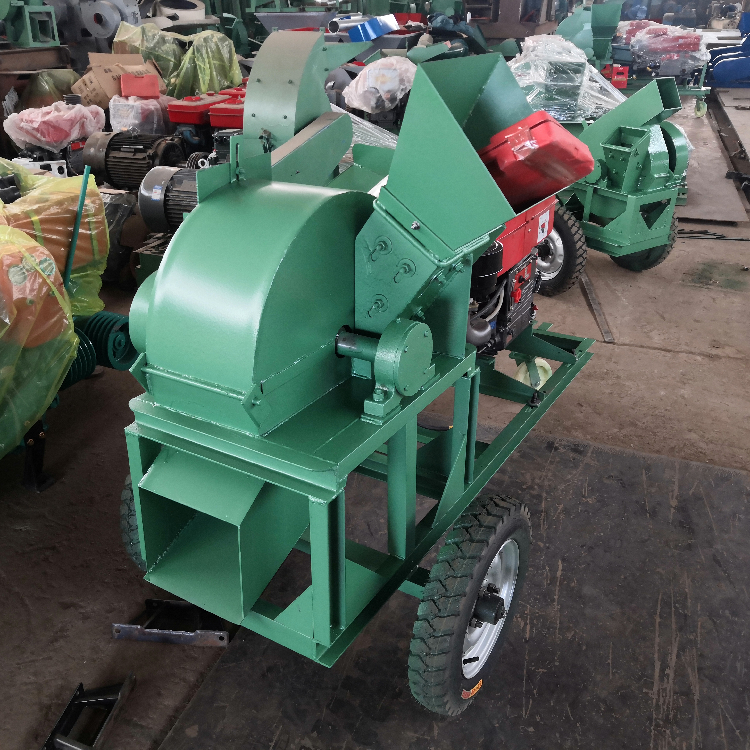
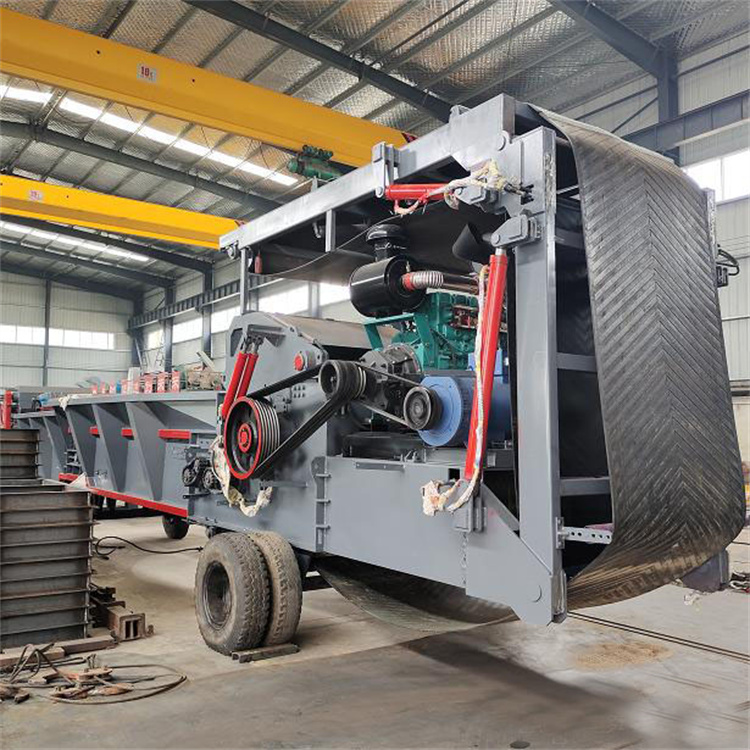
A forestry wood chipper is a critical machine for modern forestry operations, but how exactly does it improve timber processing efficiency? Designed to reduce logs, branches, and forestry waste into uniform wood chips, this equipment plays a key role in biomass utilization, land clearing, and sustainable forest management.
In forestry operations, handling large volumes of wood residue is a constant challenge. A forestry wood chipper solves this problem by converting waste material into valuable products such as biomass fuel, mulch, or raw material for paper and panel industries. Compared with manual processing or basic crushing equipment, industrial wood chippers offer higher output, consistent chip size, and lower labor costs.
One major advantage of a forestry wood chipper machine is its adaptability. Whether processing softwood, hardwood, tree branches, or logging residues, modern chippers are engineered with high-torque cutting systems and durable blades. This makes them suitable for applications such as forest thinning, roadside clearing, and sawmill waste recycling. Many users search for terms like high efficiency forestry wood chipper or heavy duty wood chipper for forestry, highlighting the demand for reliable and powerful solutions.
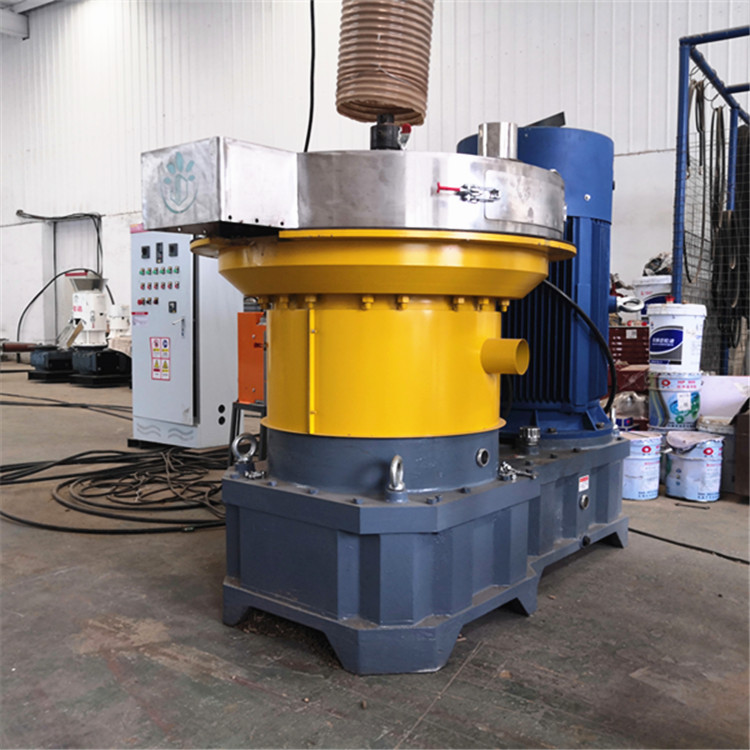
Another important factor is sustainability. By using a forestry wood chipper for biomass production, forestry companies can reduce waste and create renewable energy resources. Wood chips produced by these machines are widely used in biomass power plants and pellet production lines, supporting circular economy goals. Long-tail searches such as forestry wood chipper for biomass fuel reflect this growing trend.
When choosing the right forestry wood chipper, buyers should consider capacity, feed size, power source, and maintenance requirements. A well-selected chipper not only boosts productivity but also reduces downtime and operating costs, making it a smart investment for professional forestry operations.