Skip to content

Introduction
Choosing the right industrial wood chipper is essential for businesses involved in forestry, landscaping, biomass processing, or wood recycling. A high-quality machine improves efficiency, reduces operational costs, and ensures consistent output. However, with many options available, selecting the best industrial wood chipper machine can be challenging. This guide will help you understand the key factors to consider so you can make an informed investment.
1. Understand Your Material Requirements
Before selecting an industrial wood chipper, identify the type and size of materials you will process. Different machines are designed for specific applications such as logs, branches, pallets, or green waste.
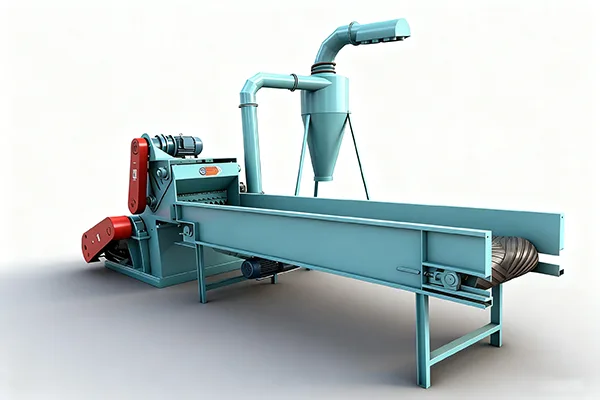
If your operation involves large logs and hardwood, a heavy-duty industrial wood chipper with a powerful engine and large infeed capacity is essential. For lighter materials like branches or garden waste, a smaller biomass wood chipper may be sufficient. Matching the machine to your material ensures optimal performance and reduces wear and tear.
2. Choose the Right Chipper Type
There are several types of wood chippers available, each suited for different applications:
Drum wood chipper: Ideal for high-capacity industrial use, offering consistent chip size and high efficiency.
Disc wood chipper: Suitable for uniform wood chips, commonly used in sawmills.
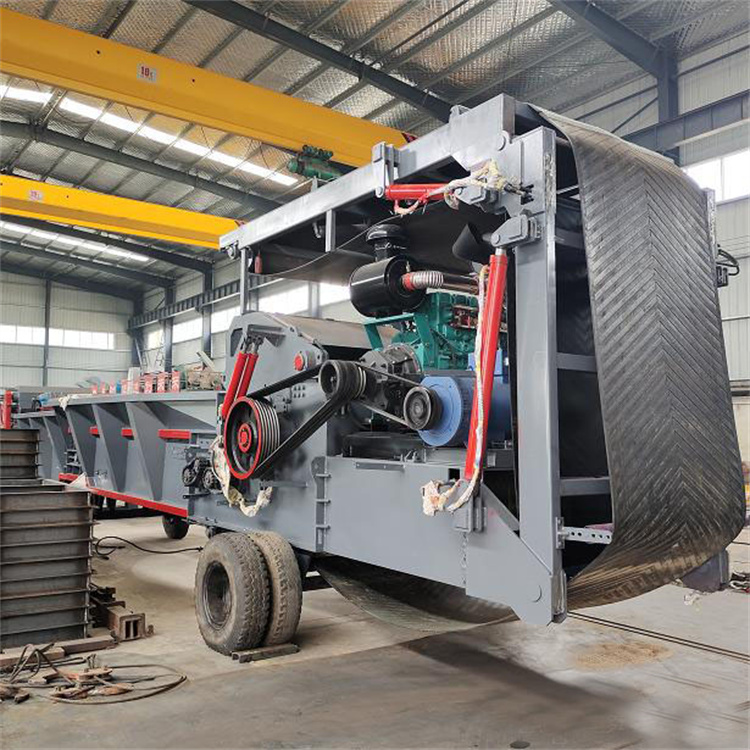
Mobile wood chipper: Designed for flexibility and on-site operations, especially in forestry or landscaping projects.
Selecting the correct type of industrial wood chipper machine depends on your production needs and working environment.
3. Consider Power Source and Capacity
Industrial wood chippers come with electric motors or diesel engines.
Diesel wood chipper machines are ideal for remote areas without stable electricity.
Electric wood chippers are more energy-efficient and suitable for factories with steady power supply.
Pay attention to engine power, feeding size, and output capacity. A high-capacity wood chipper machine ensures faster processing and increased productivity, which is crucial for large-scale operations.
4. Evaluate Cutting Efficiency and Output Quality
The quality of wood chips plays a significant role in downstream applications such as biomass fuel production or paper manufacturing. Look for machines that offer:
Adjustable chip size
Sharp and durable blades
Consistent cutting performance
A high-efficiency industrial wood chipper ensures uniform chips, which improves combustion efficiency in biomass applications and enhances product value.
5. Check Durability and Maintenance Requirements
Durability is a key factor when investing in industrial equipment. Choose a machine made from high-quality materials with robust construction. Features such as reinforced steel frames and wear-resistant blades can extend the machine’s lifespan.
Additionally, consider maintenance requirements. Easy access to components, simple blade replacement, and low maintenance wood chipper designs can significantly reduce downtime and operating costs.
6. Safety Features and Automation
Safety should never be overlooked when choosing an industrial wood chipper machine. Look for features such as:
Emergency stop buttons
Overload protection systems
Automatic feeding systems
Safety guards
Advanced automatic wood chippers not only improve safety but also enhance efficiency by reducing manual labor and increasing processing speed.
7. Mobility and Installation
Depending on your business needs, you may require a stationary or mobile wood chipper.
Stationary industrial wood chippers are suitable for fixed production lines.
Portable wood chippers offer flexibility for on-site operations.
If your work involves multiple locations, a mobile diesel wood chipper machine is a practical choice.
8. Manufacturer Reputation and After-Sales Support
Choosing a reliable wood chipper manufacturer is just as important as selecting the machine itself. A reputable supplier will provide:
Technical support
Spare parts availability
Installation guidance
Warranty services
Strong after-sales support ensures your industrial wood chipper operates smoothly over the long term.
9. Cost vs. Value
While price is an important consideration, it should not be the only factor. A cheaper machine may lead to higher maintenance costs and lower efficiency. Instead, focus on overall value, including durability, performance, and long-term operating costs.
Investing in a high-quality industrial wood chipper machine can significantly improve productivity and deliver better returns over time.
Conclusion
Selecting the best industrial wood chipper requires careful evaluation of your material type, production capacity, machine type, and budget. By considering factors such as power source, cutting efficiency, durability, and safety features, you can choose a machine that meets your operational needs and maximizes efficiency.
Whether you are in forestry, biomass processing, or wood recycling, the right industrial wood chipper machine will play a crucial role in optimizing your workflow and boosting profitability.