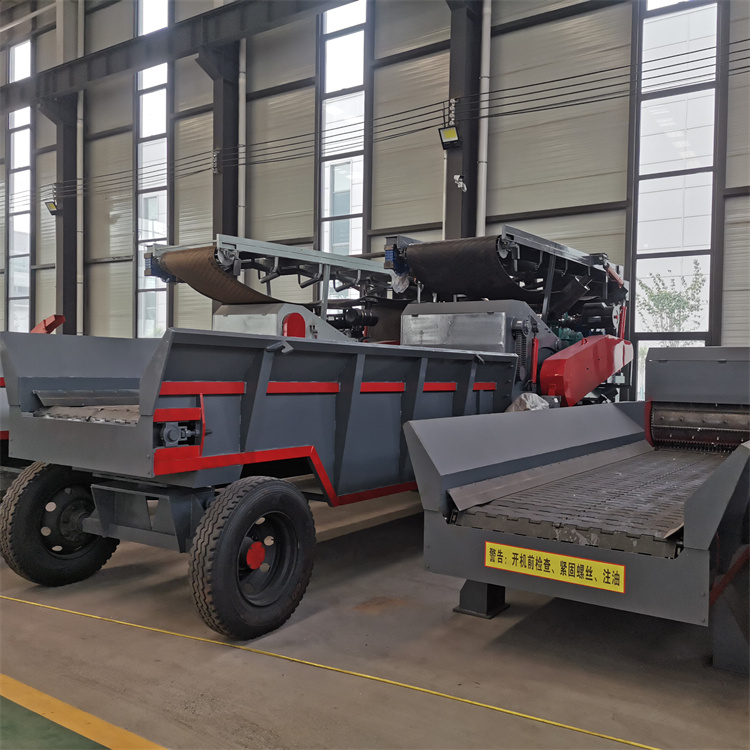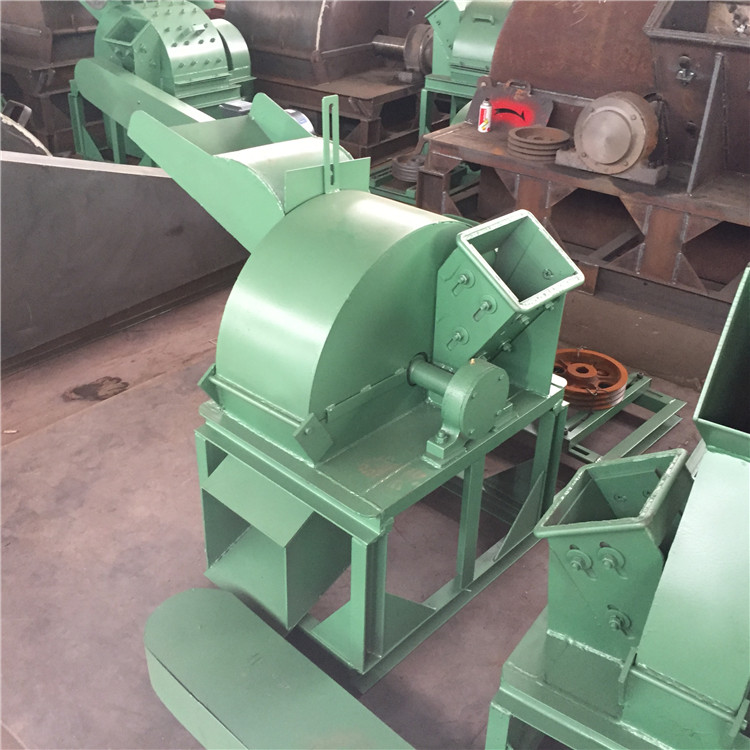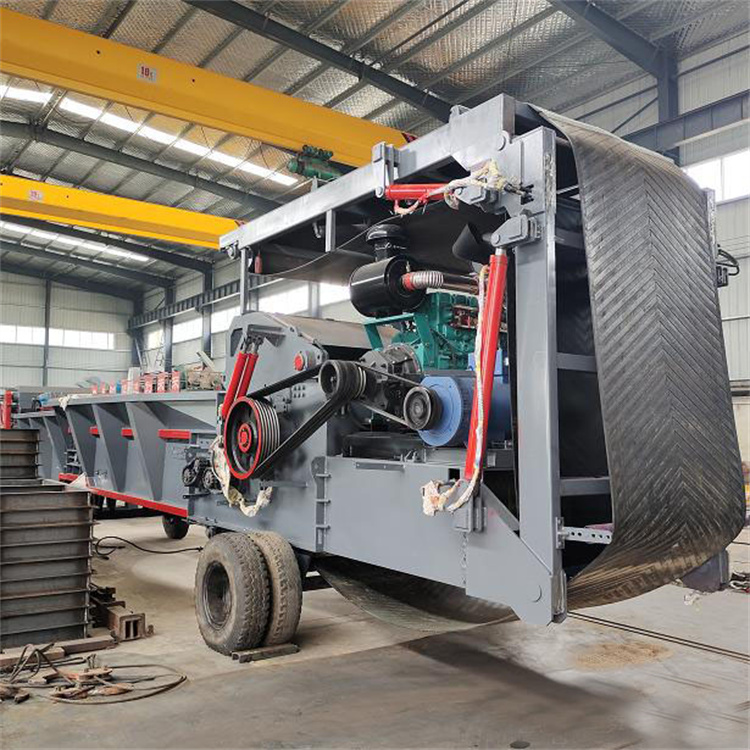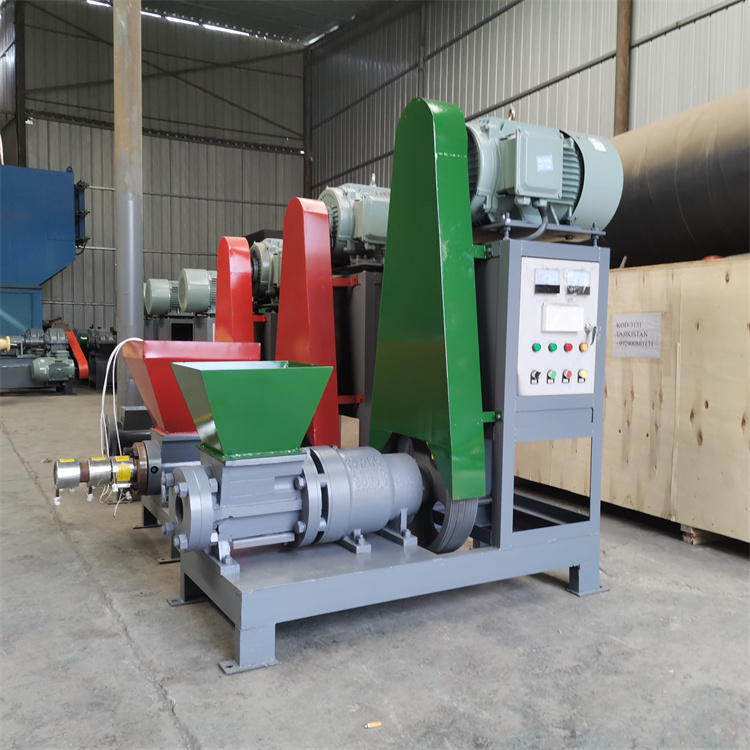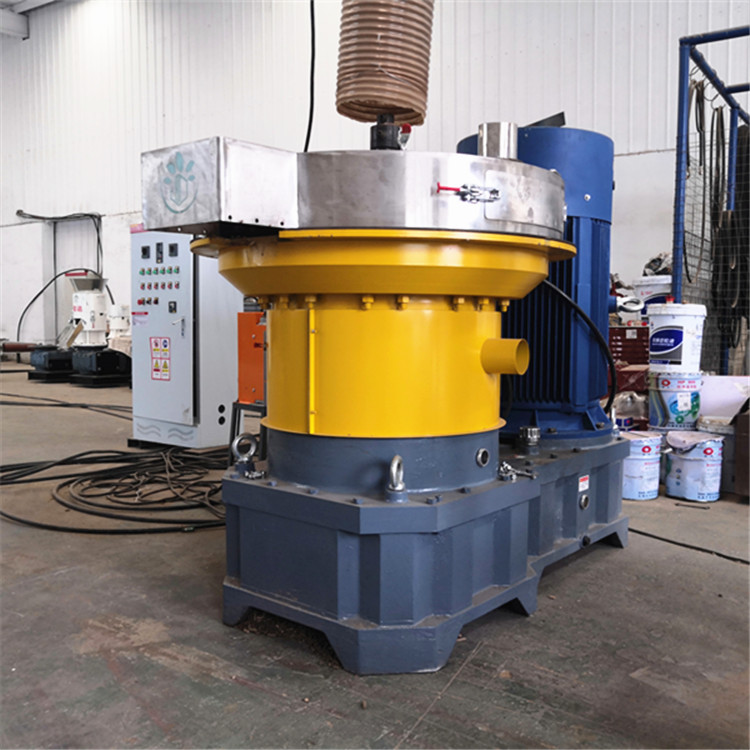

An industrial wood chipper is a core piece of equipment for companies involved in biomass processing, wood recycling, forestry, and energy production. Designed for high-capacity and continuous operation, industrial wood chippers efficiently convert logs, branches, slabs, pallets, and wood waste into uniform wood chips suitable for further processing or direct use.
In modern biomass systems, an industrial wood chipper plays a crucial role in preparing raw materials for pellet production, charcoal manufacturing, and biomass power plants. Compared with small or portable machines, industrial models feature reinforced cutting systems, heavy-duty frames, and powerful motors to handle large-diameter wood and high throughput requirements. This makes them ideal for sawmills, furniture factories, and commercial recycling facilities.
One of the main advantages of an industrial wood chipper machine is its consistent chip size. Uniform wood chips improve downstream efficiency in wood pellet mills, drum dryers, and carbonization equipment, reducing energy loss and maintenance costs. Many industrial wood chippers also support customization, including adjustable chip sizes, electric or diesel drive options, and automated feeding systems for higher productivity.
From an environmental perspective, industrial wood chippers help transform waste wood into valuable resources. By converting forestry residues and industrial wood waste into reusable biomass fuel, businesses can lower disposal costs while supporting sustainable energy solutions. This aligns well with global trends toward renewable energy and circular economies.
When selecting an industrial wood chipper for biomass processing, buyers should consider capacity, input material size, power configuration, and maintenance accessibility. A well-matched wood chipper not only improves production efficiency but also ensures long-term operational stability. For companies seeking scalable and reliable biomass solutions, investing in a high-quality industrial wood chipper is a strategic and cost-effective decision.