Skip to content

In 2026, industrial wood chipper machine prices span a wide range, driven by capacity, technology, mobility, and global market trends. For forestry, biomass, and construction operations, understanding these price dynamics is critical for cost-effective procurement. This article breaks down 2026 pricing tiers, key cost factors, and market influences to help buyers make informed decisions.
2026 Industrial Wood Chipper Price Tiers
Industrial wood chippers in 2026 fall into three core price categories, aligned with processing capacity and application scale:
Entry-Level Stationary Chippers ($3,000–$10,000)
These compact, fixed-location machines target small-scale operations like local sawmills, landscaping firms, and small biomass facilities. They typically handle wood up to 15–20 cm in diameter, with hourly output of 1–5 tons. Powered by 15–50 HP electric or diesel engines, they feature basic drum or disc chipping systems and manual feeding. Ideal for low-volume, on-site wood waste processing, these units offer budget-friendly entry into industrial chipping.
Mid-Range Mobile & Towable Chippers ($10,000–$40,000)
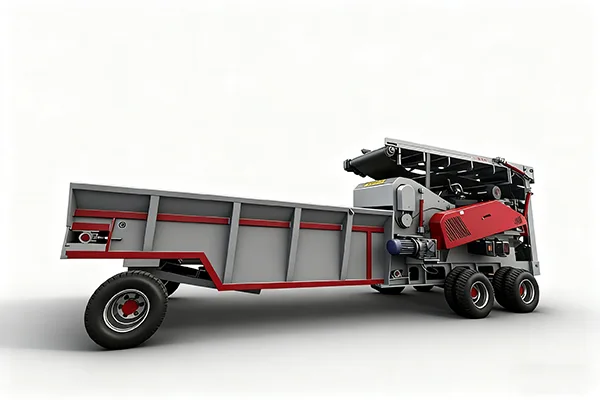
The most popular segment in 2026, mid-range chippers balance performance and mobility. Available as towable PTO (power take-off) or self-propelled models, they process 20–40 cm diameter logs with 5–15 tons per hour capacity. Key features include hydraulic roller feed systems, durable alloy steel blades, and basic smart controls. Self-propelled units with tracked or wheeled chassis cost $10,000–$40,000, These serve medium forestry operations, municipal green waste management, and medium biomass plants.
High-Capacity Heavy-Duty Chippers ($40,000–$100,000)
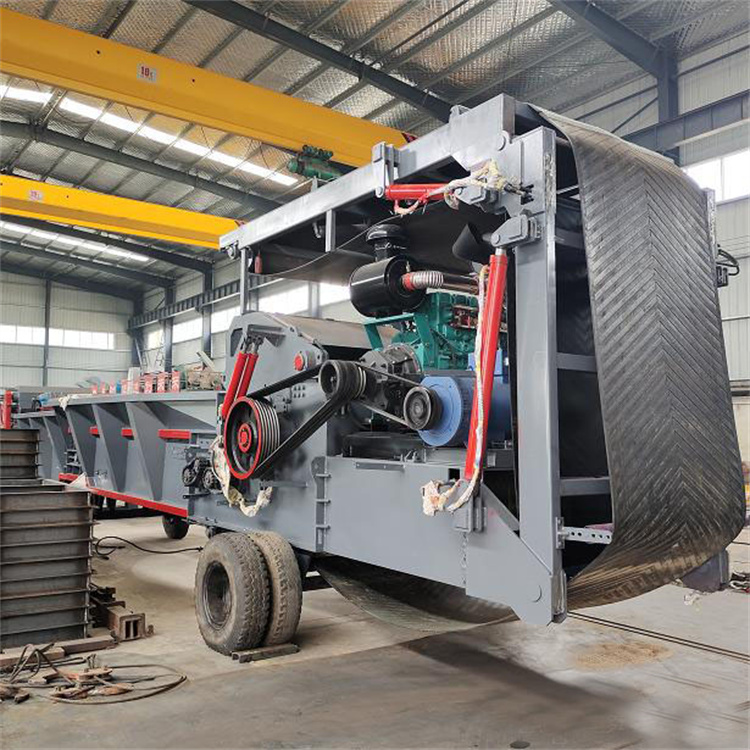
Designed for large-scale industrial use, these premium machines dominate forestry harvesting, large biomass power plants, and pulp & paper facilities. They handle logs up to 50+ cm in diameter, with 15–25+ tons per hour output. Equipped with advanced drum chipping systems, IoT-enabled remote monitoring, auto-adjusting feed controls, and heavy-duty hydraulic systems, they prioritize efficiency and durability. Top brands like Morbark, Bandit, and Vermeer lead this segment, with prices reaching $100,000 for fully integrated, high-output models.
Key Factors Shaping 2026 Prices
Several variables drive industrial wood chipper machine pricing in 2026, beyond basic capacity:
1. Chipping Technology & Design
Drum vs. disc chipping systems create significant price gaps. Drum chippers, preferred for high-volume, rough wood processing, cost 15–25% more than disc models due to stronger build and higher torque. Advanced features like hydraulic stress control, auto-feeding, and variable chip-size adjustment add 20–30% to base prices but boost productivity and reduce labor costs.
2. Power Source & Mobility
Electric-powered chippers cost 10–15% less upfront but require fixed power access. Diesel-powered units, offering portability for remote sites, carry a 15–20% premium. Self-propelled models with tracked or wheeled chassis add $5,000–$20,000 compared to stationary or towable units, reflecting mobility and on-site maneuverability value.
3. Material & Component Quality
High-chromium alloy steel blades and wear-resistant liners extend service life but increase costs by 20–30%. Premium hydraulic components and heavy-duty frames further elevate prices. Brand reputation also plays a role: top international brands command a 15–20% premium over domestic manufacturers, justified by reliability and after-sales support.
4. Smart & Eco Features
2026 sees growing demand for intelligent and eco-friendly chippers. IoT remote monitoring, predictive maintenance, and energy-saving systems add 25–35% to costs but reduce downtime by 40% and cut fuel/electricity use by 20%. Low-emission diesel engines and electric-hybrid models, compliant with strict environmental regulations, carry a 10–15% green premium.
5. Market & Supply Chain Trends
Global raw material costs for steel and alloys, plus supply chain stability, influence 2026 prices. The global wood chipper market, valued at $444.1 million in 2026, grows at a 5.1% CAGR, driven by biomass energy expansion and forestry modernization. Increased competition among manufacturers keeps mid-range prices stable, while high-end models see modest 3–5% annual growth due to tech advancements.
Regional Price Variations
Prices vary by region in 2026 due to manufacturing costs, import duties, and demand:
North America & Europe: Premium markets with strict emissions standards; high-end chippers cost $150,000–$475,000, with mid-range units at $30,000–$100,000.
Asia-Pacific: Fast-growing market with domestic manufacturing; mid-range chippers cost $20,000–$60,000, offering cost-effective options for regional buyers.
Latin America & Africa: Demand for affordable mobile chippers; entry-level models start at $3,000, with mid-range units at $15,000–$40,000.
2026 Outlook
When purchasing an industrial wood chipper in 2026, prioritize total cost of ownership (TCO) over upfront price. Calculate long-term savings from fuel efficiency, reduced maintenance, and higher output. For biomass operations, choose models with adjustable chip sizes to meet fuel specifications. For forestry, prioritize mobility and large-diameter processing capacity. Used industrial chippers, priced 30–50% below new units, offer viable options for budget-conscious buyers, provided they undergo thorough inspection.
Conclusion
2026 industrial wood chipper machine prices reflect a balance of capacity, technology, and market demand. Entry-level units start at $3,000, while high-end heavy-duty models reach $100,000. Key drivers include chipping design, power source, smart features, and regional market dynamics. By aligning machine specs with operational needs and evaluating TCO, buyers can secure cost-effective, high-performance chippers for forestry, biomass, and industrial applications in 2026 and beyond.