Skip to content

Remote forestry operations often face challenges such as limited infrastructure, high transportation costs, and the need to process biomass directly on-site. A portable biomass grinder is designed specifically to solve these problems by offering efficient, mobile size reduction for wood waste, branches, logging residues, and forestry by-products. Compared with stationary equipment, portable solutions allow operators to move directly to harvesting or clearing locations, significantly reducing handling and hauling expenses.
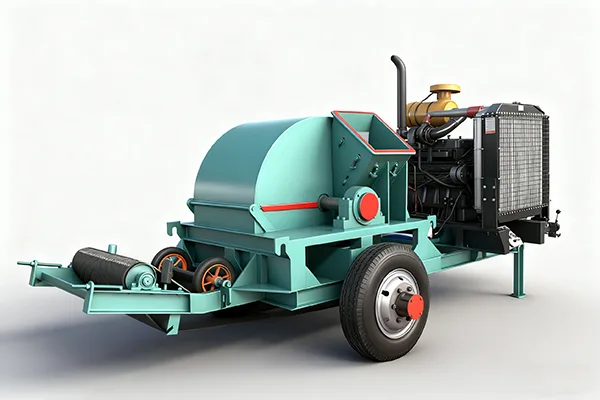
A portable biomass grinder for forestry sites is typically mounted on wheels or tracks and powered by diesel or hybrid systems, making it ideal for off-grid environments. These machines can process materials such as tree tops, bark, wood slabs, and forest residues into uniform chips or mulch. This processed biomass can then be used for bioenergy, biomass pellets, composting, or erosion control, supporting sustainable forestry practices.
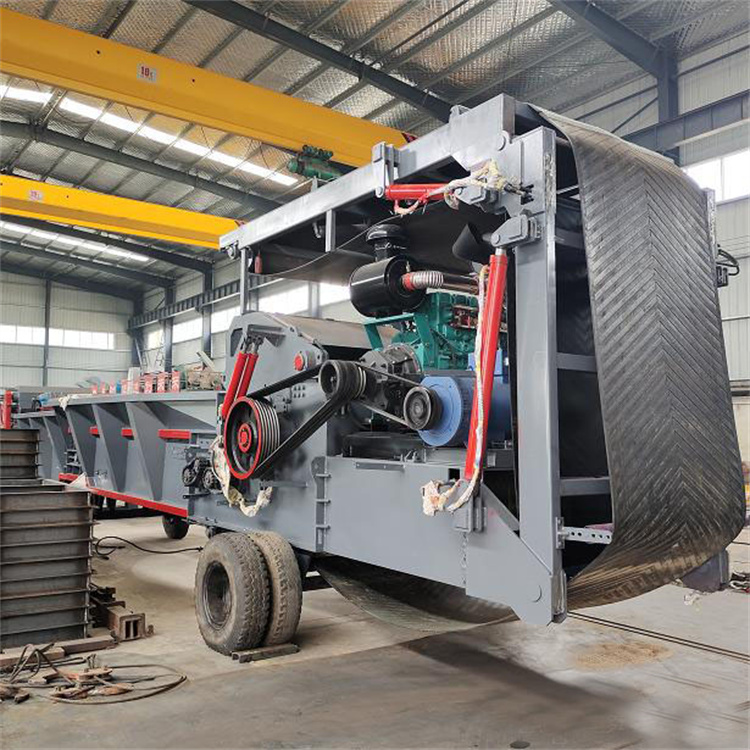
From an operational perspective, mobility and durability are key advantages. Designed for rugged terrain, a mobile biomass grinding machine features reinforced frames, heavy-duty cutting systems, and simplified maintenance. Adjustable output sizes also make the grinder suitable for multiple applications, from fuel preparation to biomass recycling. For contractors and forestry managers, this versatility translates into higher productivity and faster return on investment.
In addition, the growing demand for renewable energy has increased interest in biomass grinding equipment that can operate efficiently in remote areas. By processing material on-site, forestry companies can reduce waste volume, lower carbon emissions from transport, and add value to what was once considered unusable residue. Choosing the right portable wood grinder for remote forestry operations helps businesses meet environmental goals while improving overall operational efficiency.