Skip to content

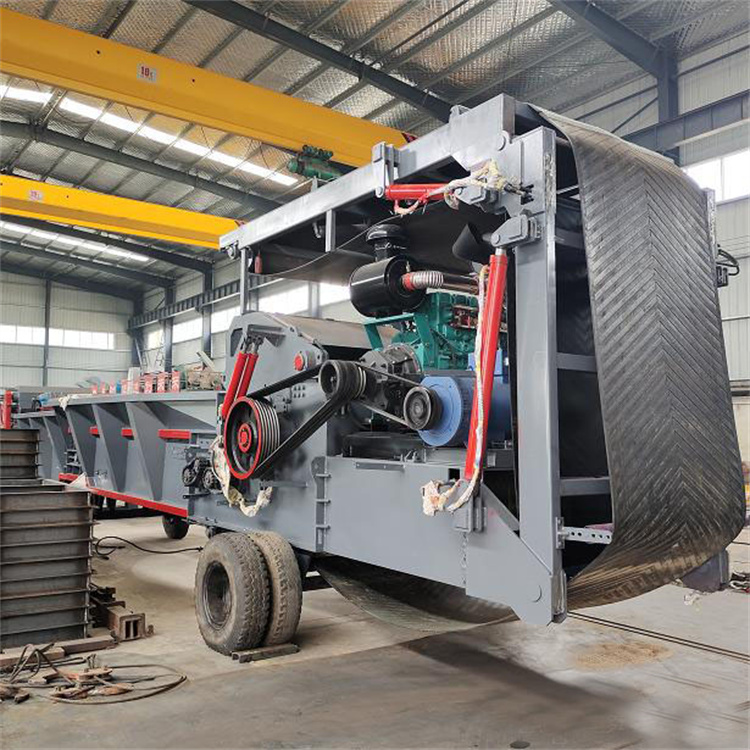
A primary crusher is one of the most important machines in a biomass briquette production line, responsible for reducing raw materials into uniform, manageable sizes before further processing. Whether the feedstock is wood branches, coconut shells, bamboo, crop residues, or sawmill waste, a reliable primary crusher ensures stable output and higher briquetting efficiency.
In most biomass briquette factories, raw materials come in irregular shapes and varying moisture levels. The primary crusher breaks down large pieces into smaller, consistent chips or particles—typically 3–5 cm—making it easier for the hammer mill or fine crusher to perform secondary size reduction. This step is crucial because briquette machines require evenly sized raw materials for stable density and smooth molding.
Modern biomass primary crushers feature robust steel structures, hardened alloy blades, and motor-driven feeding systems capable of handling high intake volumes. Some advanced models include automatic feeding conveyors, hydraulic pressure systems for thick materials, and screen designs that control the output size. These features help improve efficiency, reduce manual labor, and extend machine lifespan.
Choosing the right primary crusher depends on material type, daily production capacity, and the required final particle size. For high-moisture agricultural waste, a drum-type chipper may perform better, while hardwood logs often require a heavy-duty disc chipper or combined crusher. Ensuring proper maintenance—such as blade sharpening, lubricating bearings, and checking belt tension—helps maintain consistent performance.
In summary, the primary crusher is essential in any biomass briquette production line. By ensuring uniform material size, it boosts production efficiency, reduces wear on downstream equipment, and directly improves briquette quality.