Skip to content

In the world of forestry, land management, and biomass processing, operational downtime is the enemy of profit. Enter the automated wood chipper, a engineering marvel designed to support continuous, unattended operation around the clock. This isn’t just an incremental improvement; it’s a paradigm shift for operations requiring high-volume wood waste processing.
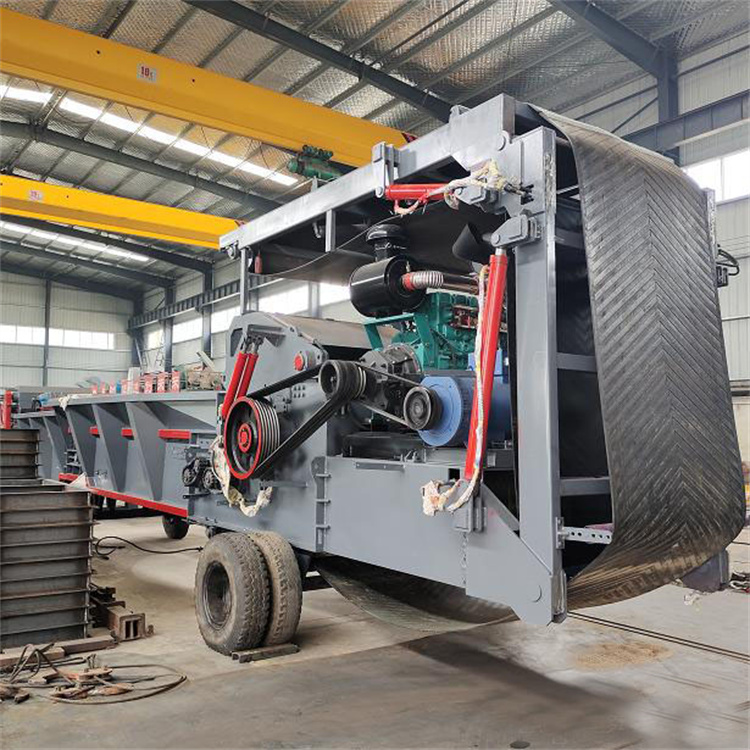
The core of this system is its industrial-duty wood chipper, built with a robust rotor and carbide-tipped knives to handle logs, brush piles, and pallets with relentless efficiency. What elevates it beyond a standard machine is the integrated automation technology. With features like programmable logic controllers (PLC) and advanced hydraulic feed systems, the machine self-regulates feed rates and engine load, optimizing performance and preventing costly jams. This automated feed system is the key to its tireless operation, consistently processing material without constant manual intervention.
The benefits of deploying a continuous-duty wood chipper are substantial. For large-scale operations, it translates directly into maximized productivity and a significant reduction in labor costs. The system enhances workplace safety by minimizing the need for operator proximity to the cutting mechanism. Furthermore, its ability to process diverse woody biomass into a consistent, uniform end-product is invaluable for creating landscape mulch, boiler fuel for biomass energy, and other commercial wood chips.
For businesses looking to streamline their organic recycling or biomass production, investing in automated wood processing equipment is a strategic move. It represents a commitment to efficiency, safety, and profitability, turning a labor-intensive chore into a seamless, 24/7 value-generating operation. By embracing this technology, companies can finally unlock the full potential of their wood waste stream.