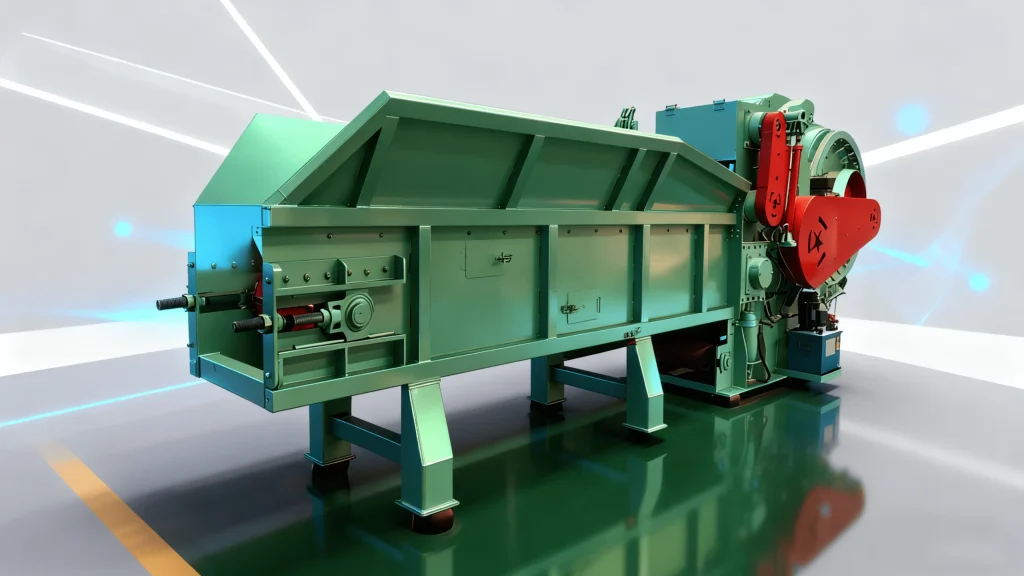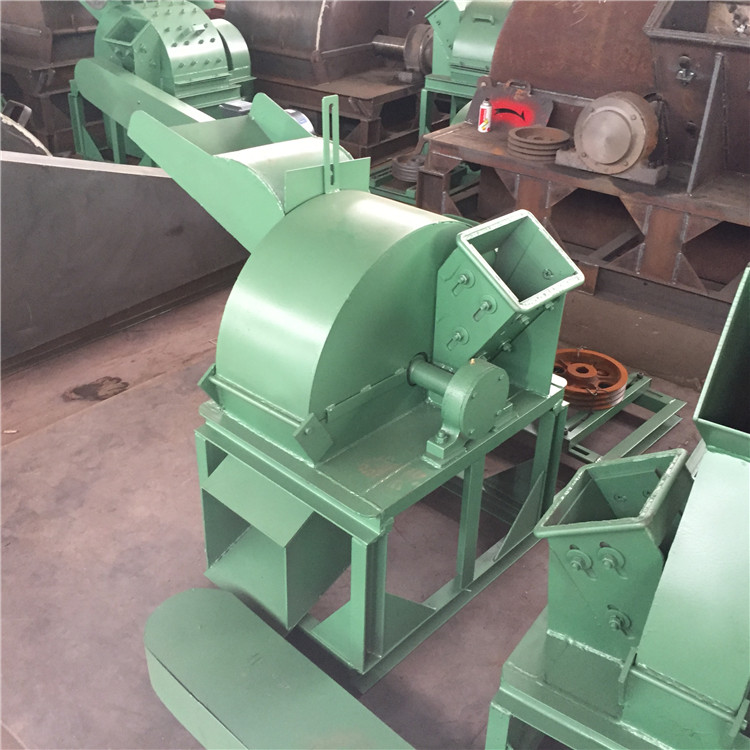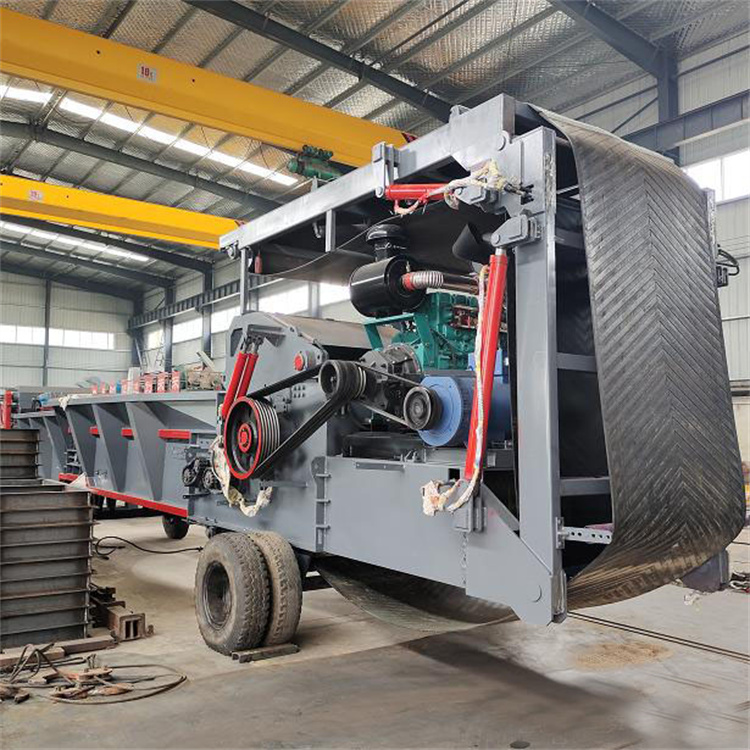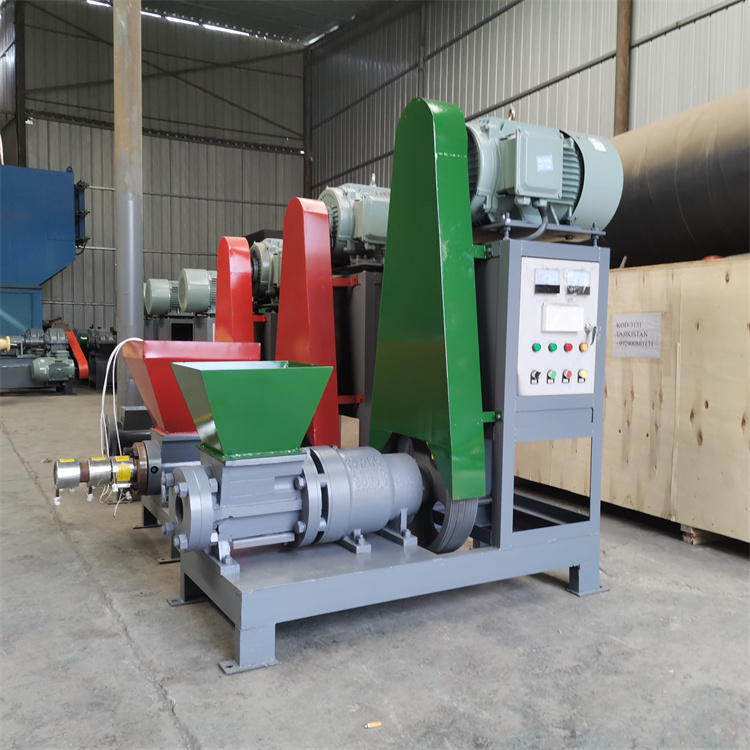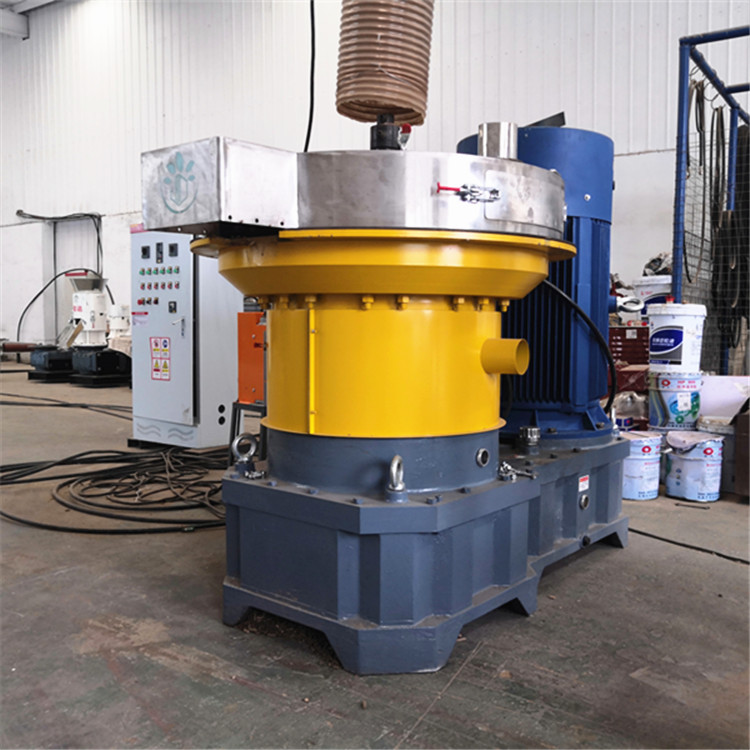

Wondering exactly what a biomass palm shredder is and why it’s becoming essential in sustainable agriculture? Simply put, a biomass palm shredder is a heavy-duty machine designed to reduce oil palm waste—such as empty fruit bunches (EFB), fronds, trunks, and kernel shells—into smaller, manageable particles for reuse .
These machines tackle one of the palm oil industry’s biggest challenges: what to do with the massive volume of organic residue generated during cultivation and milling. By mechanically shredding tough, fibrous material, they unlock significant value from what was once considered waste .
How Does a Palm Waste Shredding Machine Work?
Most industrial palm waste shredding machines operate using one of two primary mechanisms:
Double-Shaft Shredders: These use two counter-rotating shafts with interlocking blades to tear apart material through high torque. This design is excellent for dense, wet, and fibrous EFB shredder applications, as it minimizes clogging .
High-Speed Rotary Shredders: Some systems, like drum chippers or crushers, use high-speed rotating knives to cut material into uniform particle sizes, often for more precise applications like pelletizing .
The shredded output, often called palm fiber, can range from coarse chips to fine strands, depending on the machine’s configuration and screen size .
Why Process Palm Biomass?
The applications for shredded material are vast and economically significant:
Biofuel Production: Shredded EFB and palm kernel shells are excellent high-calorific fuels for biomass power plants .
Composting and Mulching: Processed fronds and trunks decompose faster, creating nutrient-rich organic fertilizer for plantations .
Industrial Feedstock: The fiber is used to manufacture biomass pellets, mushroom cultivation substrates, and even eco-friendly composite boards .
Ultimately, a biomass palm shredder is a critical investment for turning agricultural residue into renewable resources. By investing in efficient agricultural waste shredding, plantations can reduce disposal costs, comply with environmental regulations, and create new revenue streams from sustainable palm oil waste management .