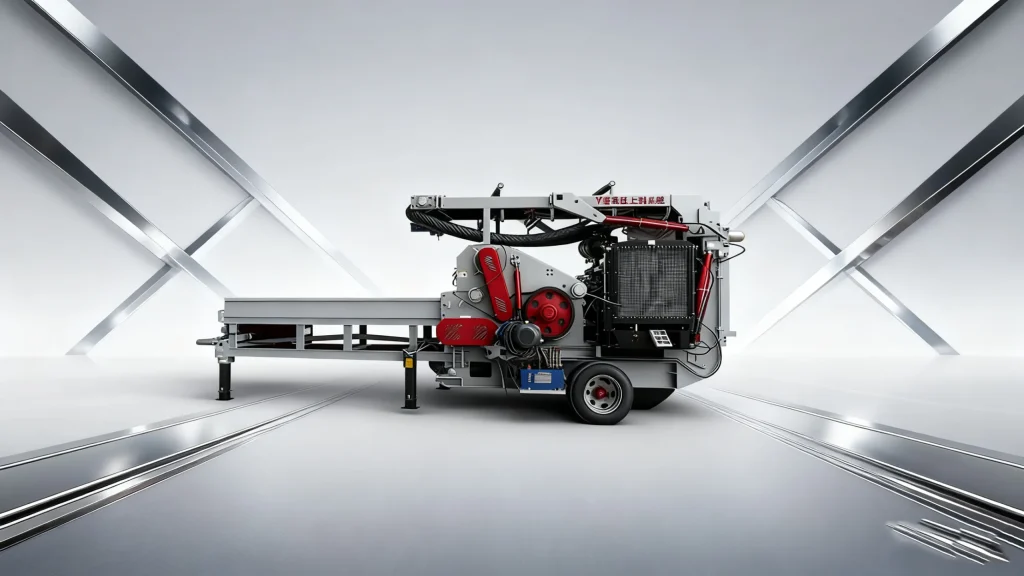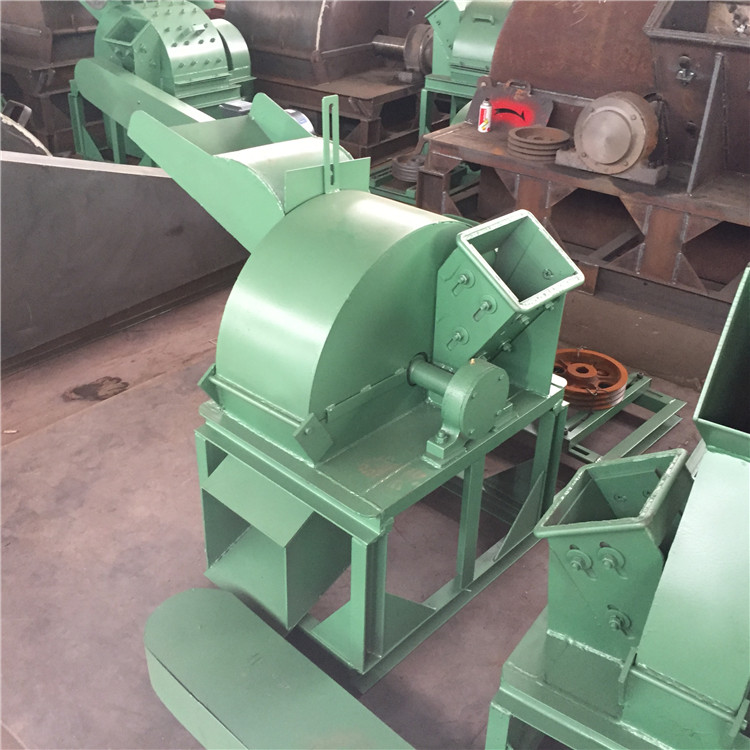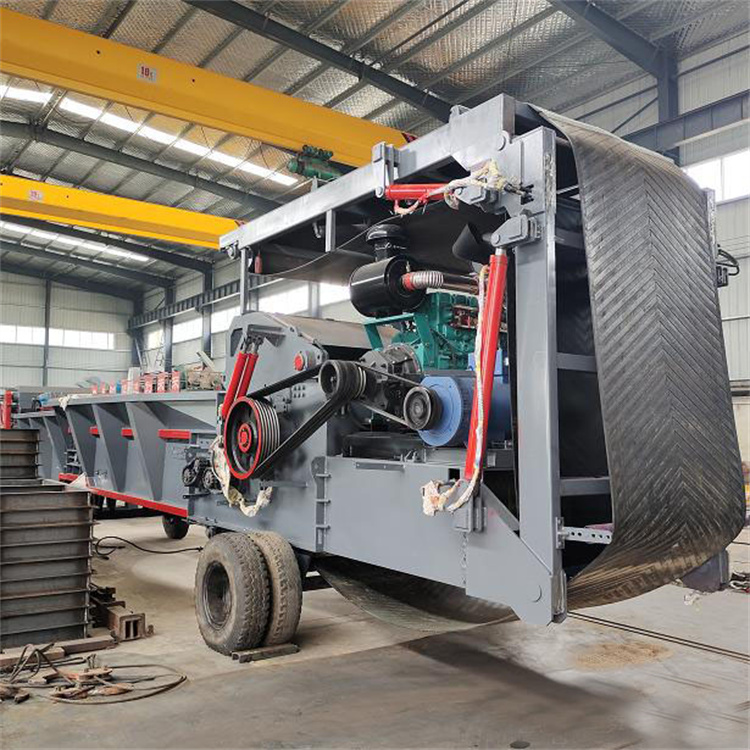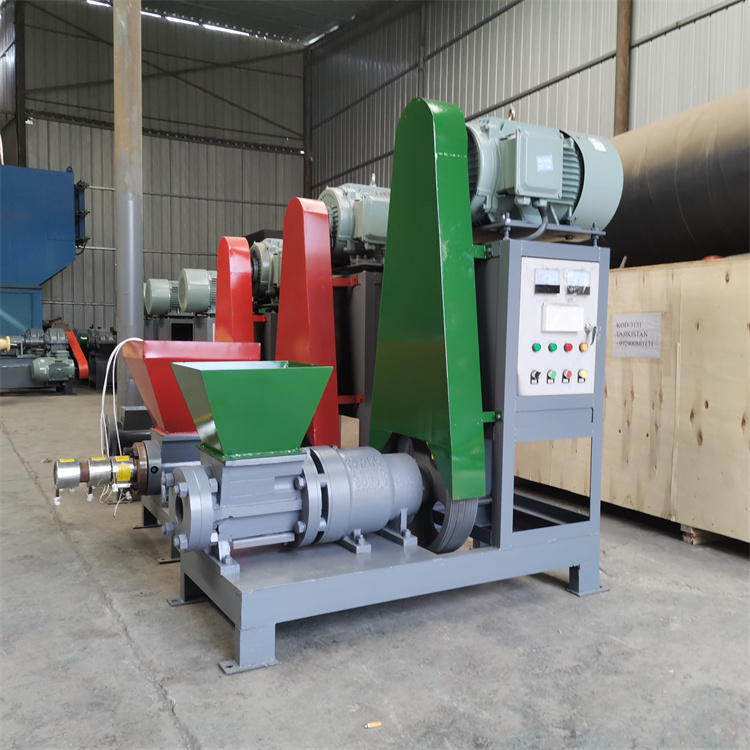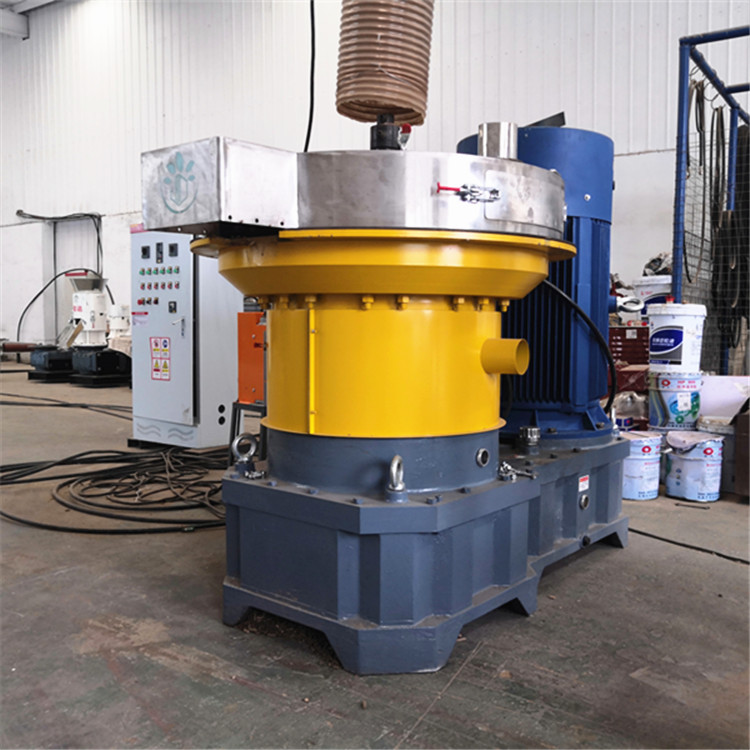

A green waste drum chipper machine is a powerful solution designed to process organic waste such as branches, leaves, tree trimmings, and garden residues into uniform wood chips. But what makes this equipment essential for modern waste management and biomass recycling? The answer lies in its efficiency, durability, and versatility across multiple industries.
Unlike small disc chippers, a drum chipper uses a heavy-duty rotating drum fitted with hardened blades. This structure allows the green waste drum chipper machine to handle high volumes of wet and fibrous material without clogging. Municipal landscaping departments, composting facilities, biomass power plants, and agricultural operations all rely on this technology to reduce green waste volume and improve downstream processing.
From an operational perspective, a drum chipper for green waste recycling delivers consistent chip size, which is critical for composting, mulching, and biomass fuel production. Adjustable knife settings and screen options enable operators to control output size based on application needs. For large-scale projects, an industrial green waste chipper machine significantly reduces labor costs while improving processing speed.
Environmental benefits are another major advantage. By converting green waste into reusable biomass, companies can reduce landfill dependency and support sustainable resource utilization. A biomass drum chipper for organic waste also aligns with circular economy goals, transforming waste into valuable raw materials such as mulch, pellets, or biofuel feedstock.
When selecting equipment, buyers often search for terms like high-capacity drum chipper for green waste or commercial green waste wood chipper, emphasizing reliability, low maintenance, and long service life. With robust steel construction and optimized feeding systems, modern drum chippers are engineered for continuous operation under demanding conditions.
In summary, a green waste drum chipper machine is not just a waste reduction tool—it is a strategic investment for efficient recycling, cost control, and sustainable biomass utilization.