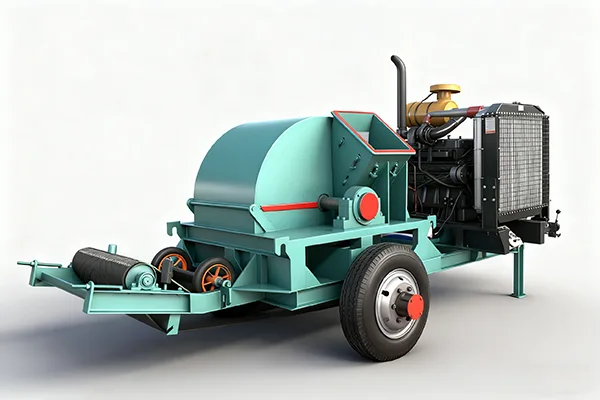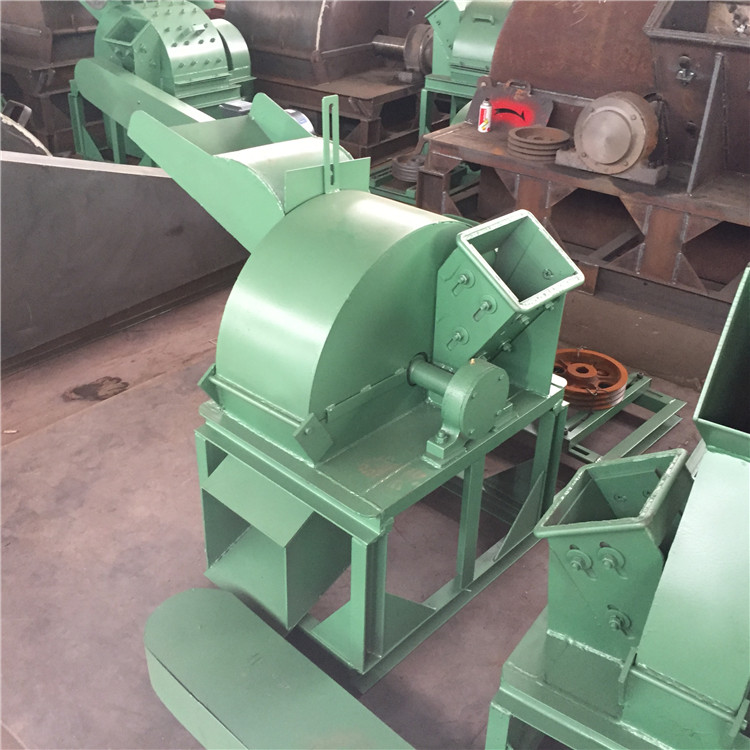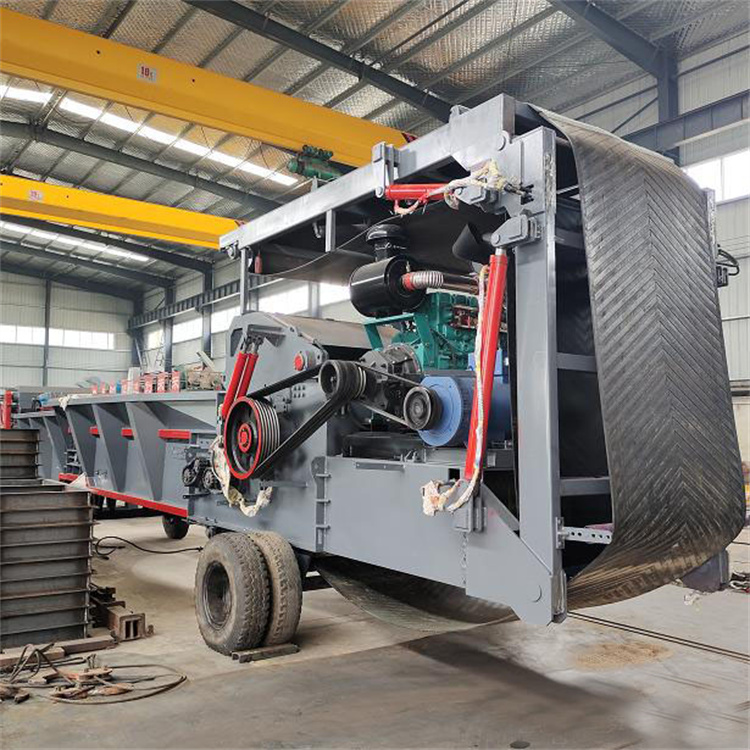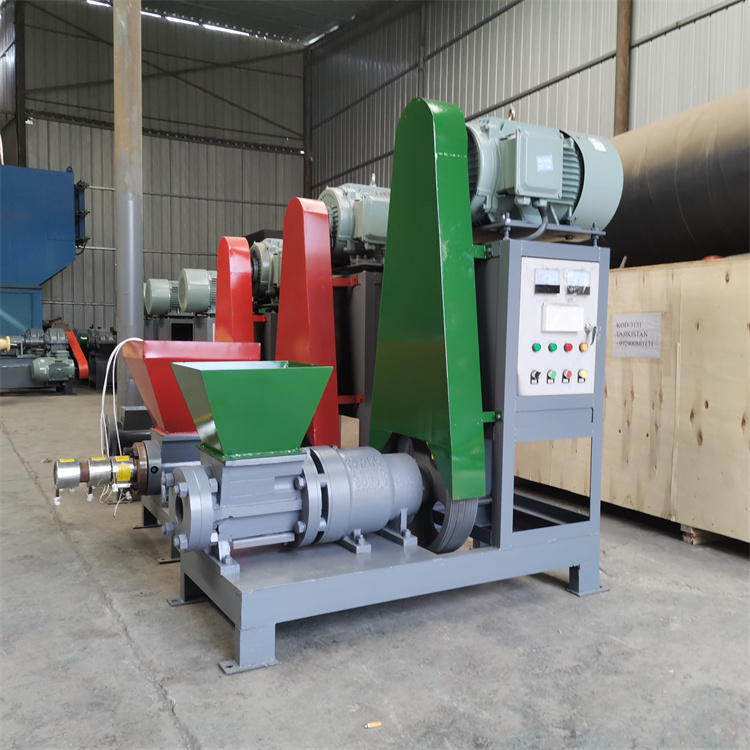

In the tree care and landscaping industries, managing organic waste efficiently is critical to maintaining profitability. Investing in the right equipment can dramatically shift your bottom line. This is why modern wood chippers are essential tools; they are specifically designed to minimize processing and transportation costs associated with branches, brush, and trees.
Traditionally, removing tree debris involved cutting material into small pieces to fit into a truck, which required significant manual labor and time. This method is inefficient and often leads to multiple trips to a disposal site. By utilizing a high-quality chipper, crews can reduce disposal costs instantly. Material that once took up an entire truck bed can be reduced in volume by up to 75%, allowing for fewer trips to the landfill and lower fuel consumption.
Beyond just transport, the processing capability of a chipper allows for immediate wood waste management. Instead of leaving debris to rot or paying high fees for haul-away, contractors can convert waste into usable wood chips. These chips can be used for mulch on existing job sites, sold to local gardeners, or given back to clients, adding a value-added service to your standard offerings.
For those in forestry equipment operations, the cost savings extend to labor. A crew spending less time loading trucks and more time on revenue-generating tasks like cutting and trimming sees a rapid return on investment. The efficiency of modern chippers means that one person can often manage the feeding process, further reducing labor overhead.
Ultimately, whether you are running a small landscaping business or a large tree service, the ability to reduce transportation costs through on-site processing is a game-changer. Upgrading your tree care equipment to include a powerful chipper ensures that you are working smarter, not harder, turning bulky waste into a manageable asset while keeping your projects profitable and clean.